Expert in Sustainability & Responsible Business
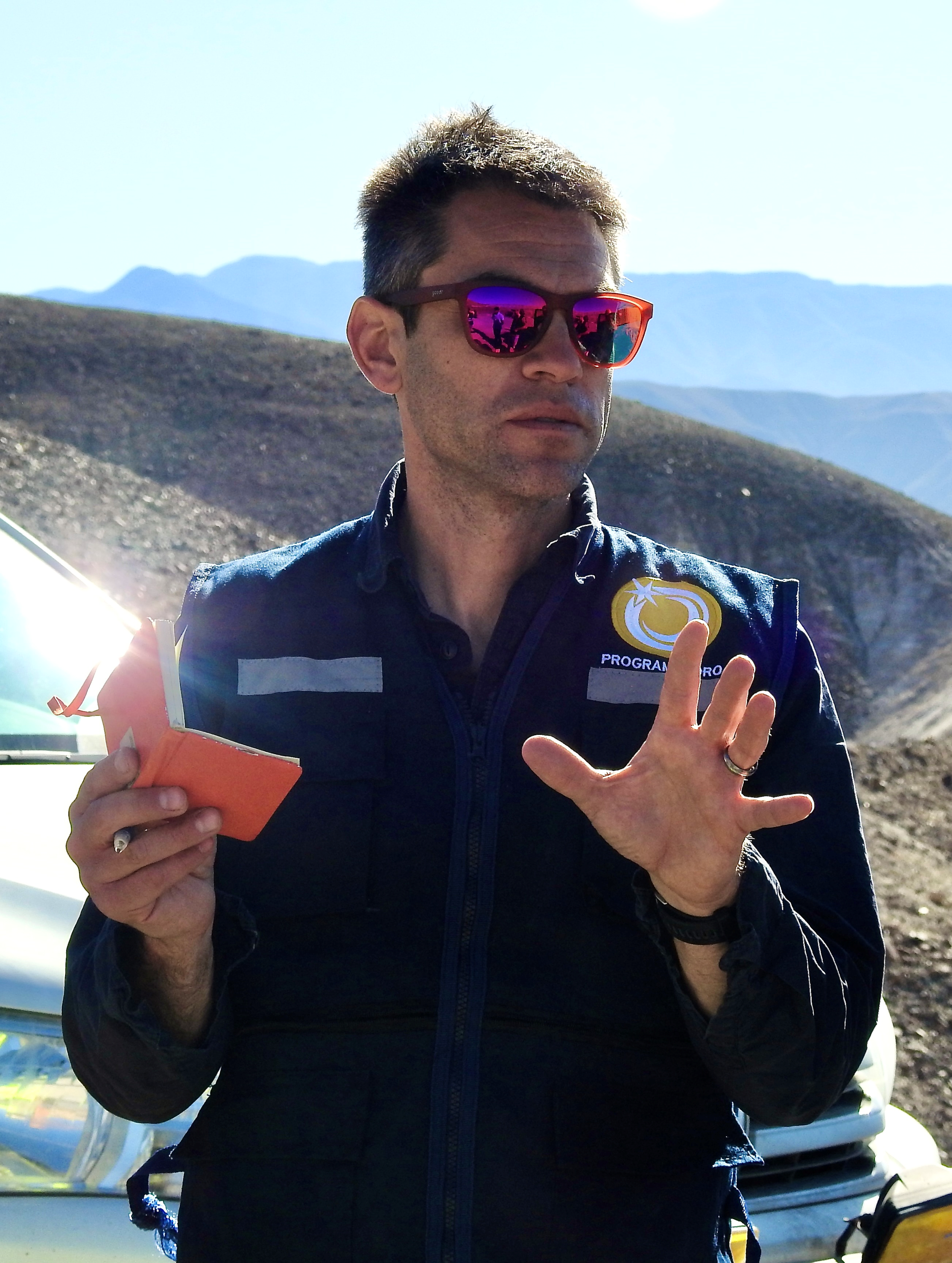
Joel Hartter research spans work across the public, private, and non-profit sectors. He has worked with dozens of organizations, government entities, and industry to develop sustainable solutions to some of the world’s most pressing problems. Joel has a background in engineering, behavioral science, conservation, natural resource management, and business. His expertise is in human-centered strategy, behavioral change, stakeholder engagement, sustainability strategy and implementation, partnership building, and leading change. Joel’s work has taken him to some of the most remote places in Sub-Saharan Africa and Latin America, and he has worked on projects in public health, food security, business development, human welfare, education, conservation of endangered wildlife, supply chains, and infrastructure development.
Current and practice interests include private sector engagement in sustainability, ESG, climate action, and the Sustainable Development Goals (SDGs). I specialize in sustainable business, sustainability culture building, net zero and low-carbon strategies, bioeconomy implementation, sustainable supply chains, and nature-based solutions.
His work has been funded by National Geographic, National Science Foundation, US Agency for International Development, US Forest Service, National Park Service, US Department of Agriculture, Centers for Disease Control and Prevention, Natural Sciences and Engineering Research Council of Canada, and more. Joel has written over 125 scientific articles, published in top journals, and has spoken on sustainability topics around the world to local farmers and tribal elders to academic conferences to ministers of parliament and corporate executives. He is widely known for being able to translate scientific research to practitioners and stakeholder groups, and has been quoted in numerous media outlets and podcasts including CNN, The Guardian, Washington Post, NPR, NBC News, and more.
Example Projects
Selected engagements across responsible business, public lands, sustainability, international development, and natural resources strategy.
Funders: National Science Foundation, National Geographic, Natural Sciences and Engineering Research Council of Canada
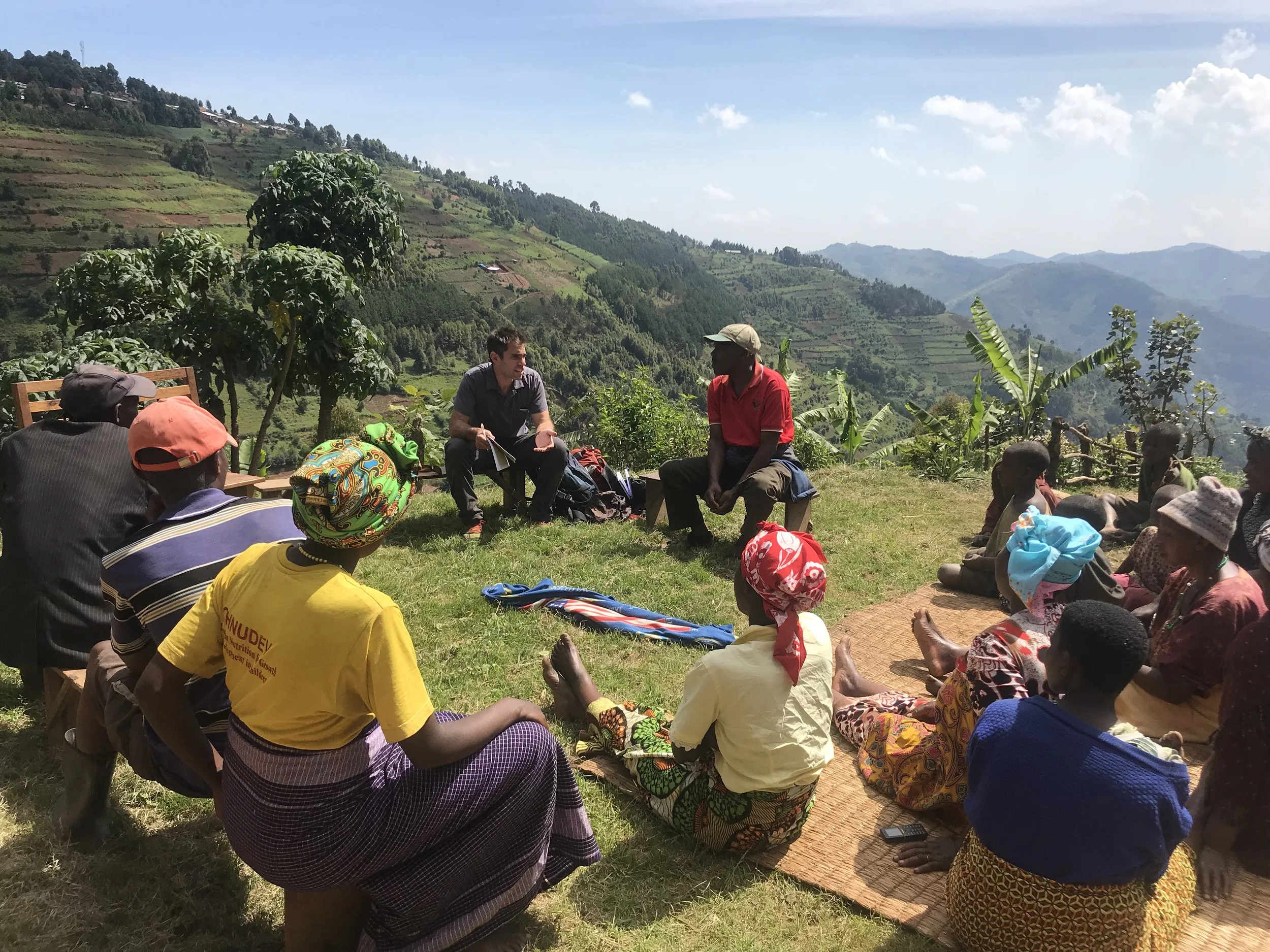
Uganda's Albertine Rift is one of Africa's most biodiverse regions, but population growth and land use intensification around its national parks put conservation gains and local livelihoods in direct tension. Funded by the National Science Foundation, the Natural Sciences and Engineering Research Council of Canada, and National Geographic, this 20-year project is the longest running project of its kind in the region. We examined how climate, forest cover, and human settlement have shifted over time across seven parks, analyzing where ecological and social pressures converge and how communities perceive and adapt to change. The work produced the region's most extensive climate analysis and comprehensive study of human livelihoods, linking climate change, forest loss, education, biodiversity, and public health to inform conservation and economic development strategy in the region.
Funder: US Department of Agriculture
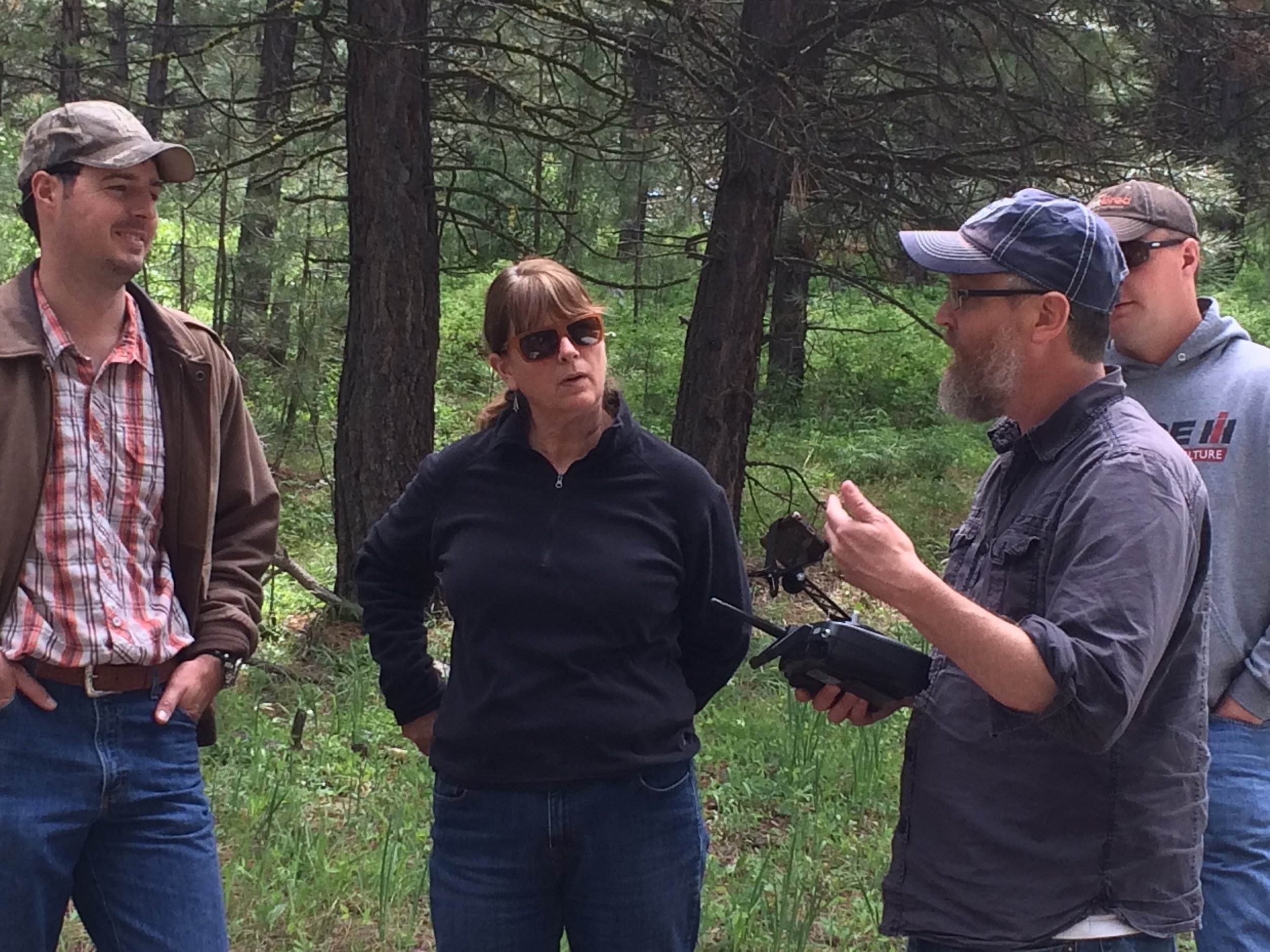
Rural communities in Oregon's Blue Mountains have faced decades of economic transition as timber, ranching, and farming declined — while fire risk has grown and forests have accumulated fuels that make large-scale disturbance increasingly likely. We partnered with Wallowa Resources, the US Forest Service, Oregon State University Extension, and local landowners to deliver an integrated assessment of forest conditions, climate risk, and adaptation options across seven counties in northeastern Oregon. Our results gave land managers and private landowners practical, near-term guidance for improving forest resilience under an uncertain climate.